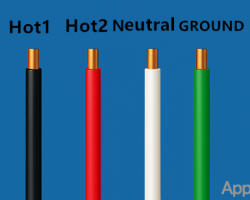
1. Open CircuitAn open circuit occurs when a conductor is broken and the current path is interrupted.
In simple terms, the wire is disconnected, so current cannot flow and the load stops working.
2. Short CircuitA short circuit occurs when the live wire and neutral wire come into direct contact.
This creates a very low-resistance path, causing a large current surge that can trip protection devices or damage equipment.
3. Leakage CurrentLeakage current happens when electricity flows to ground instead of returning through the normal circuit path. Common causes: Live wire touching ground Neutral wire touching ground Live or neutral wire touching a metal enclosure Even without a ground wire, if live/neutral contacts a metal housing, leakage can still occur
Detecting Leakage CurrentUsing a Clamp MeterBecause the outgoing and returning currents should be equal, any difference indicates leakage.
Using a Multimeter (Outlet Test)Set the multimeter to the highest resistance range Measure between ground and neutral: Move the black probe to the live wire:
These tests help identify insulation failure or wiring faults and prevent electric shock hazards. | 
 English
 简体中文
简体中文 繁體中文
繁體中文 한국 사람
한국 사람 日本語
日本語 Deutsch
 русский
 بالعربية
 TÜRKÇE
 português
 คนไทย
คนไทย french