Industrial Control & PLC Compliance Systems: Standards, Certification, and Engineering SignificanceIn industrial automation systems, compliance is not merely a regulatory requirement — it is a fundamental engineering principle that ensures system reliability, electrical safety, electromagnetic stability, and long-term operational continuity.
From PLC controllers and I/O modules to contactors, power supplies, and industrial HMIs, every component within a control cabinet must meet defined compliance standards. This article analyzes the origin, structure, and engineering significance of industrial control compliance systems.
1. The Technical Foundation: IEC Standards in Industrial ControlThe global technical foundation of industrial automation standards is established by the International Electrotechnical Commission (IEC).
For PLC and industrial control systems, key IEC standards include:
IEC 61131 – Programmable Controllers
IEC 60204-1 – Safety of Machinery – Electrical Equipment
IEC 60947 – Low-voltage switchgear and controlgear
IEC 61000 – Electromagnetic Compatibility (EMC)
These standards define:
Rated voltage and insulation requirements
Short-circuit withstand capacity
Terminal numbering systems (A1/A2, 13/14, etc.)
Creepage and clearance distances
EMC immunity levels
Without IEC standardization, industrial components from different manufacturers could not be safely integrated within the same control cabinet.
2. European Compliance: CE Marking in Industrial EquipmentConformité Européenne (CE) marking is mandatory for industrial automation products sold in the European Economic Area.
For PLC systems and industrial control panels, CE compliance typically involves:
Impact on PLC and Embedded DesignTo meet CE compliance, engineers must consider:
Proper grounding and shielding
Surge protection and filtering
EMC testing (radiated and conducted emissions)
Safe isolation between control and power circuits
This forces manufacturers to implement disciplined PCB layout design, grounding architecture, and cabinet-level EMC management.
3. North American Safety System: UL CertificationUnderwriters Laboratories (UL) plays a central role in industrial control equipment used in North America.
Relevant UL standards for PLC and industrial control include:
UL 508A – Industrial Control Panels
UL 61010 – Safety requirements for measurement and control equipment
UL 94 – Flammability of plastic materials
Engineering ImplicationsUL compliance requires:
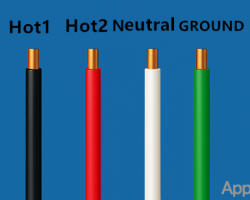
Defined wire sizing and color coding
Strict spacing requirements
Fire-resistant materials
Certified components inside panels
For control cabinet builders, UL 508A certification significantly improves market acceptance and liability protection.
4. China’s CCC System in Industrial AutomationChina Compulsory Certification (CCC) regulates mandatory certification for specific categories of electrical products in China.
In industrial automation, CCC commonly applies to:
Many Chinese national standards (GB standards) are harmonized with IEC standards, ensuring global compatibility.
5. Why Compliance Matters in PLC Systems1. Electrical SafetyIndustrial control systems operate at:
Standards ensure safe isolation between:
Without proper compliance, risks include electric shock, arc flash, and catastrophic equipment failure.
2. Electromagnetic Compatibility (EMC)Industrial environments contain:
VFD drives
Large motors
Welding equipment
Switching power supplies
PLC systems must withstand electromagnetic interference.
Compliance standards define:
This ensures stable operation in harsh industrial conditions.
3. System Reliability and Lifecycle StabilityCompliance testing simulates:
Overvoltage conditions
Temperature rise
Long-term stress
Fault scenarios
This significantly improves:
In mission-critical industries such as power generation, water treatment, and manufacturing, reliability is economically and socially essential.
6. Compliance and Embedded System DesignFor embedded engineers designing PLC-based systems or custom industrial controllers, compliance affects:
Compliance is not something added at the end — it must be integrated from the schematic design stage.
7. Broader Social and Industrial BenefitsIndustrial compliance systems provide:
1. Reduced Accident RatesFewer electrical fires and machinery incidents.
2. Global Market AccessManufacturers can sell products internationally.
3. Engineering StandardizationSystem integrators can combine components from different suppliers.
4. Long-Term Infrastructure StabilityPower plants, substations, and factories rely on standardized control architecture.
ConclusionIndustrial control and PLC compliance systems represent a structured integration of engineering science, regulatory governance, and industrial safety management.
IEC provides technical standards.
CE ensures European market conformity.
UL defines North American safety expectations.
CCC regulates product entry in China.
Together, they form the backbone of global industrial automation safety and reliability.
In the era of Industry 4.0, smart manufacturing, and renewable energy integration, compliance is not merely certification — it is the engineering language that enables global industrial interoperability.
 English
 简体中文
简体中文 繁體中文
繁體中文 한국 사람
한국 사람 日本語
日本語 Deutsch
 русский
 بالعربية
 TÜRKÇE
 português
 คนไทย
คนไทย french