Primary Equipment, Secondary Equipment, and Civil Auxiliary Facilities in Power Systems
1. Primary Equipment (Main Power Circuit)Primary equipment refers to devices directly involved in the generation, transmission, transformation, distribution, and utilization of electrical energy.
They usually handle high voltage and large current.
The circuits they form are called the primary circuit or primary wiring system. Examples of Primary Equipment
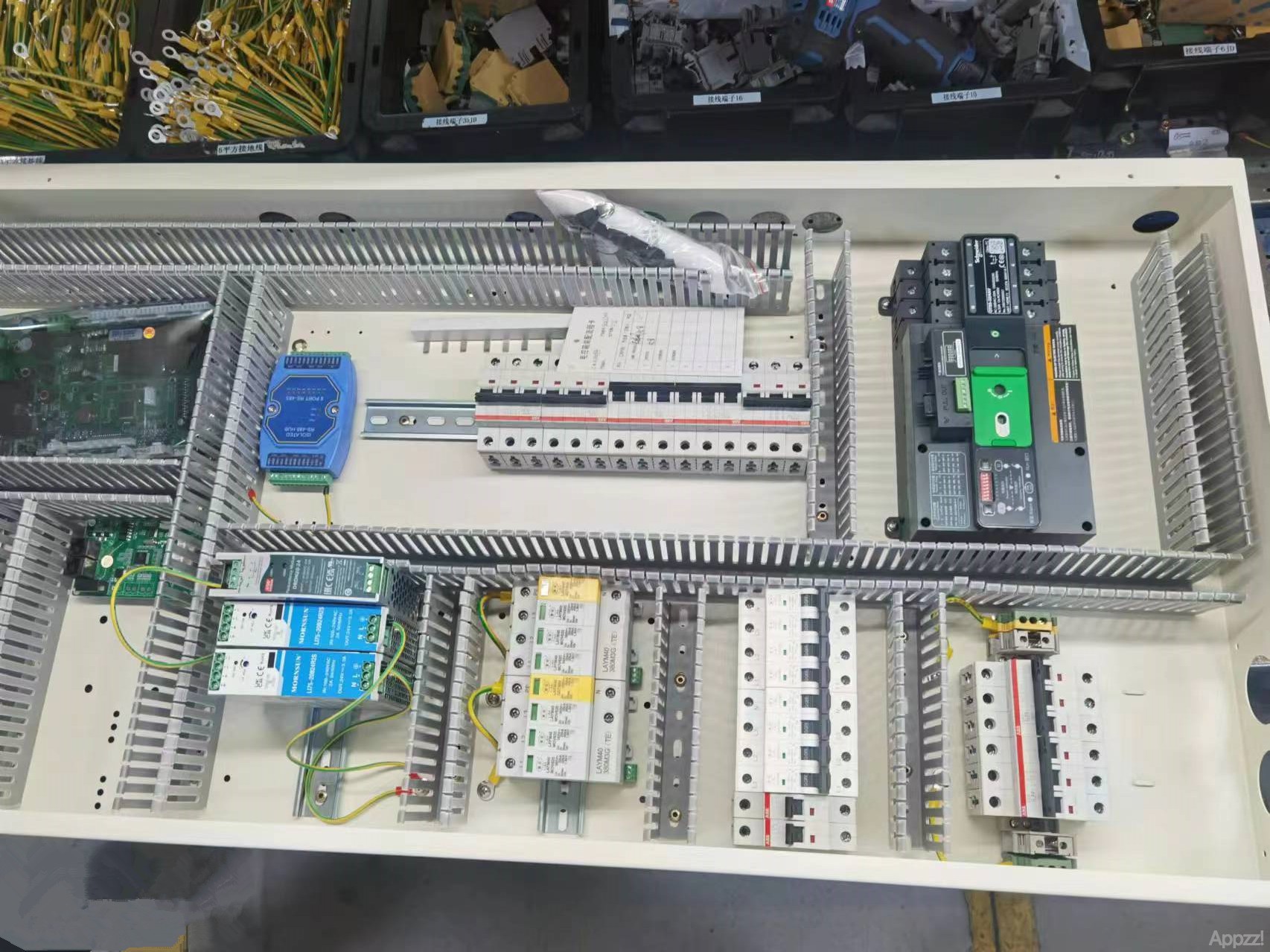
2. Secondary Equipment (Protection & Control Circuit)Secondary equipment mainly performs monitoring, control, regulation, protection, and communication functions for the primary system. Main FunctionsMonitoring – real-time measurement of voltage, current, power, etc. Control – remote or automatic start/stop and switching of primary equipment Regulation – automatic adjustment of voltage, current, and frequency Protection – isolates faulty equipment (relay protection) Information transmission – sends operating data to monitoring systems Alarm indication – alerts operators when abnormal conditions occur
Common Secondary EquipmentFuse — protects equipment when current exceeds safe value Control switches — manual or remote operation of equipment Energy meter — records power consumption Relays — detect faults such as overcurrent or overvoltage Control cables — transmit control signals and data Indicator lamps — display operating status Automation monitoring system — remote monitoring and data acquisition
3. Equipment Used in Both Primary and Secondary SystemsSome devices serve both power flow and monitoring/protection roles. Instrument Transformers (CT / PT)Surge ArrestersCablesCircuit Breakers (Smart Breakers)Grounding System
4. Civil Auxiliary StructuresCivil auxiliary structures provide the physical support and environment for electrical equipment. Simply put: they are the “building and foundation” of the power system. Common StructuresUtility poles — support overhead lines Substation buildings — protect equipment from weather Cable trenches and conduits — protect buried cables Transmission towers — support high-voltage lines Foundations, supports, fences, drainage systems Grounding grid — protects personnel and equipment
Civil auxiliary facilities ensure electrical equipment operates safely and reliably within a stable environment. | 
 English
 简体中文
简体中文 繁體中文
繁體中文 한국 사람
한국 사람 日本語
日本語 Deutsch
 русский
 بالعربية
 TÜRKÇE
 português
 คนไทย
คนไทย french